Business rubbish collection for Watford Business Park cost guide
Posted on 12/10/2026
If you run a unit, office, workshop, or shared commercial space in Watford Business Park, waste can quietly become one of those costs that slips through the cracks. One week it looks manageable; the next, bags are piling up behind the bin store, cardboard is everywhere, and you are wondering why the collection charge feels higher than it should. This Business rubbish collection for Watford Business Park cost guide is here to make the numbers, the service options, and the decision-making a lot clearer.
We will look at what drives price, what a sensible service should include, where businesses often overspend, and how to compare quotes without getting caught out by fine print. Nothing fluffy. Just the practical stuff you actually need when you are trying to keep a site tidy, compliant, and not wildly overcharged. And yes, a clean yard or reception area really does make the whole place feel calmer. Funny how that works.
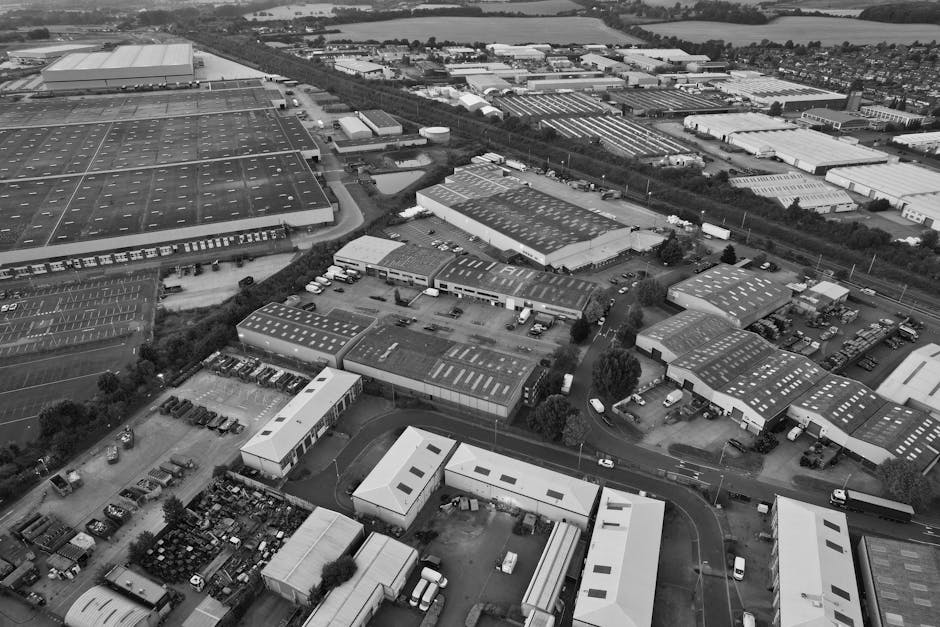
Why Business rubbish collection for Watford Business Park cost guide Matters
Business waste is not just about getting rid of bags. In a place like Watford Business Park, the pace of work can create a steady stream of cardboard, packaging, office waste, food waste, pallet wrap, light bulky items, and sometimes construction or fit-out debris. If collection is inconsistent or overpriced, the knock-on effects are immediate: clutter, complaints, missed collections, and staff spending time on jobs that should not sit on their desks.
Cost matters because waste services are easy to underestimate. A quote may look fine at first glance, then the extras appear: lifting charges, contamination fees, extra capacity, ad hoc clearances, lockable bin requirements, or out-of-hours service costs. Suddenly the tidy monthly number is not so tidy. To be fair, that happens more often than people admit.
There is also the practical reality of site presentation. Business parks tend to rely on shared standards. One messy unit can affect neighbours, landlords, visitors, and delivery drivers. If your waste area smells on a warm afternoon or bins are overflowing by Friday, it reflects badly on the business and the site as a whole.
So the real point of a cost guide is not just price comparison. It is helping you understand value: what you are paying for, what you actually need, and how to avoid paying for capacity you never use.
Quick takeaway: the cheapest business rubbish collection is not always the best value. The right service is the one that matches your waste volume, collection frequency, site access, and compliance needs without hidden surprises.
How Business rubbish collection for Watford Business Park cost guide Works
Commercial rubbish collection usually starts with a waste profile. That simply means working out what type of waste you generate, how much of it there is, how quickly it builds up, and how easy it is to access on site. Once that picture is clear, a provider can suggest the right bin size, collection frequency, or one-off clearance arrangement.
For many businesses, the service falls into one of three patterns:
- Scheduled collections: regular collections on a fixed day or cycle, often weekly or multiple times per week.
- Ad hoc or one-off collections: useful for clear-outs, moves, refurbishments, or sudden waste spikes.
- Mixed service setups: a combination of standard collections plus occasional bulky waste removal when needed.
Price is usually shaped by more than volume alone. A compact office may produce light waste but still need efficient access, locked storage, and reliable timing. A trade unit may produce heavier waste, mixed materials, and more frequent pickups. And if collections have to happen at awkward times, such as early morning or after deliveries, that can influence cost as well.
In practical terms, a good supplier should ask questions before giving a quote. If they do not, that is a slight warning sign. Not always a disaster, but worth noticing. You would want them to know whether you are dealing with office paper, food waste, shop packaging, or heavier mixed rubbish from a workshop.
It also helps to separate general business waste from special waste streams. Cardboard, metal, wood, and recyclables can sometimes be handled differently from mixed rubbish, and that can affect the price in a helpful way if your site is set up properly.
Key Benefits and Practical Advantages
When done well, business rubbish collection is one of those background services that makes everything else easier. You do not always notice it, which is exactly the point. A clean, well-managed waste setup supports the whole operation.
1. Better site presentation
A smart-looking business park unit sends the right message. Whether you are hosting clients, receiving stock, or just managing staff morale, tidy waste areas matter. People do judge a place by its bins. Harsh, but true.
2. Lower admin burden
A predictable collection plan reduces the need for emergency calls and last-minute arrangements. That means fewer interruptions to managers, reception staff, or facilities teams who already have enough on their plates.
3. Cleaner, safer working conditions
Overflowing rubbish can create slips, block access routes, attract pests, and make loading areas awkward to use. A service that matches the real waste output of your business helps keep the working environment more controlled.
4. Better cost control over time
The right collection frequency can save money in two ways: by preventing over-servicing and by avoiding expensive overflow or emergency clearances. In our experience, many businesses pay too much for too much capacity, then still end up with occasional ad hoc removals because the setup was never quite right.
5. Easier recycling and waste separation
Many businesses can improve both cost efficiency and sustainability by separating recyclable material from general waste. That is especially useful where cardboard and packaging volumes are high. If you are trying to reduce general rubbish costs, this is one of the first places to look. You may find our page on recycling and sustainability useful if you are thinking about tightening up waste streams.
Who This Is For and When It Makes Sense
This kind of service is relevant to a wide range of businesses at Watford Business Park. It is not just for large industrial units with obvious waste piles. In fact, some of the most waste-sensitive sites are the neat ones: offices, professional services firms, studios, showrooms, and light commercial operations where waste builds up slowly and gets ignored until it becomes annoying.
You likely need a proper rubbish collection arrangement if you are:
- running an office with regular paper, packaging, and kitchen waste
- managing a trade or workshop unit with mixed commercial rubbish
- handling frequent deliveries that generate cardboard and void fill
- moving premises, refurbishing, or clearing old stock
- sharing waste facilities with neighbouring occupiers
- trying to reduce site clutter and keep staff areas presentable
It also makes sense if your current setup is reactive rather than planned. For example, if someone keeps phoning around when bins are full, or if waste is being bundled into the back of a unit "for later," that usually means the service model is wrong. Not disastrous. Just misaligned.
Businesses that have recently grown often feel this first. The waste arrangement that worked for five staff may not suit fifteen. Likewise, a unit that switches from light admin use to stock handling will need a different collection rhythm altogether.
Step-by-Step Guidance
If you are trying to make sense of costs without wasting time, use a simple process. It keeps the decision grounded in reality rather than guesswork.
Step 1: Identify what you throw away
List the main waste types on site. Keep it plain English: mixed rubbish, cardboard, paper, food waste, plastic wrap, timber, light bulky items, and any occasional special waste. This is where many quotes go wrong because the business says "general waste" but the bin actually holds a bit of everything.
Step 2: Estimate volume and frequency
Ask how quickly bins fill up over a normal week. Is that one wheelie bin, three bags a day, half a cage, or a full skip every month? If you are unsure, observe for a week or two. A quick note on a phone is often enough. Nothing fancy.
Step 3: Map access and collection logistics
Can a vehicle reach the waste area easily? Is there space to turn? Are bins locked? Are collections needed before opening hours? Access issues can affect pricing and service fit more than people expect.
Step 4: Decide between scheduled and ad hoc service
Regular collections suit businesses with predictable output. Ad hoc service works better for occasional clear-outs or seasonal spikes. Some businesses need both. That is normal.
Step 5: Ask for a quote breakdown
Do not just ask for a total. Ask what is included: bin hire, uplift frequency, fuel or environmental charges, contamination rules, missed collection handling, and any minimum term. A clear breakdown makes comparison easier and stops unpleasant little surprises later.
Step 6: Compare value, not just headline price
The lowest quote may look appealing on paper, but if it misses collections, adds extras, or leaves waste building up, it costs more in the real world. A slightly higher quote that includes the right frequency and a clearer support process can be cheaper overall.
Step 7: Review after a month or two
Waste patterns change. A new tenant, a busier sales season, or a stock rotation change can alter volumes quickly. Review the arrangement after the first few cycles and adjust before waste becomes a recurring headache.
Expert Tips for Better Results
There are a few things experienced site managers tend to do that make business rubbish collection run more smoothly. None of them are dramatic, but they save time and money. Which, let's face it, is usually the point.
Keep cardboard separate where possible
Flattened cardboard takes up far less space and is often easier to manage than mixed waste. If your business receives regular deliveries, having a clear cardboard stream can materially reduce pressure on general waste capacity.
Use one person to own the system
Waste gets messy when everyone is responsible and nobody is actually responsible. Appoint one person, even part-time, to monitor bins, collection issues, and supplier contact. It sounds basic because it is basic. Basic works.
Match collection timing to site rhythms
If your deliveries arrive early or your yard is busy at lunch, collection timing matters. A service that avoids peak congestion usually runs more smoothly and creates fewer access issues.
Keep contamination down
Do not mix the wrong materials into recycling containers. A little contamination can make a load harder to process and may lead to extra charges or refusal. Clear signage and a couple of good bins placed in the right spots do more than most people think.
Check whether bulky waste is genuinely occasional
Some businesses say bulky waste is rare, then realise it appears every month. If that is the case, a planned collection pattern may work better than repeated one-off callouts.
And if your team keeps "temporarily" storing broken chairs, old shelving, or packaging in the same corner of the unit, well, temporary has a funny way of becoming permanent.

Common Mistakes to Avoid
Most over-spending on business rubbish collection comes from a small set of avoidable mistakes. Once you know them, they are easy enough to spot.
Choosing only on headline price
A cheap quote can hide awkward terms, poor service levels, or charges for things that should have been explained clearly from the start. Ask questions before signing anything.
Underestimating volume
If the service is too small, waste starts building up and your team will find workarounds. That usually means extra handling, clutter, and last-minute collections. The fix then becomes more expensive.
Ignoring waste separation
If recyclable material is mixed into general rubbish, you are likely paying to throw away something that could have been handled differently. Separation is not glamorous, but it matters.
Not checking access details
Collection crews need a realistic route to bins or storage areas. Tight access, locked gates, poor signage, or blocked loading spaces can all create avoidable delays and extra admin.
Forgetting about contract terms
Look at notice periods, minimum terms, missed collection policies, and any fee changes. It sounds dull. It is dull. But dull details often decide whether a service feels fair or frustrating.
Tools, Resources and Recommendations
You do not need a big system to manage waste well. A few simple tools can give you much better control and make quotes easier to compare.
- Weekly waste log: jot down bin fills, overflow points, and unusual waste days.
- Photographs of waste areas: useful when asking for quotes or explaining access issues.
- Site map or access notes: helps identify collection routes, gate codes, and storage points.
- Simple recycling labels: reduces contamination and improves staff compliance.
- Service review calendar: check usage monthly at first, then quarterly once stable.
For businesses wanting a broader service view, the site's services overview can help you understand the different waste and clearance options available. If you are budgeting across several disposal needs, the pricing and quotes page is also a sensible place to start.
If your business has a one-off clear-out rather than a recurring collection need, office clearance in Watford and waste removal in Watford may be more relevant than a repeating collection contract. That distinction matters more than many people realise.
Law, Compliance, Standards, or Best Practice
Business waste handling in the UK comes with responsibilities, and it is worth treating them properly rather than treating them as admin noise. While this guide is not legal advice, there are some practical expectations most businesses should keep in mind.
First, businesses should only use legitimate waste carriers and should keep records of what is collected, where it goes, and who handled it. In practice, that means asking for proof of responsible handling and keeping your paperwork in order. If waste goes missing into the wrong stream, the business that produced it can still end up carrying the risk. Not ideal.
Second, the waste area should be managed safely. That includes keeping access routes clear, storing waste securely, and making sure staff know what belongs where. Good practice here is not about perfection; it is about reducing avoidable problems.
Third, recycling and waste separation should be handled honestly. If a supplier says a waste stream can be segregated, your team needs to follow through on site. A great service arrangement falls apart fast if everyone just throws everything into the nearest bin because it is Tuesday and they are busy.
Finally, if you handle specialist materials or anything potentially hazardous, extra caution is needed. That is where expert guidance matters more than guesswork. A standard mixed rubbish service is not the answer to every waste problem, and pretending otherwise usually gets expensive.
Where relevant, many businesses also look at associated issues like vehicle access, fire safety around storage areas, and insurance requirements for waste handling. If you want a broader view of operational risk, the page on insurance and safety is a sensible supporting read.
Options, Methods, or Comparison Table
The right collection method depends on the kind of waste your business produces and how often it appears. A simple comparison usually makes the choice clearer.
| Option | Best for | Typical strengths | Watch-outs |
|---|---|---|---|
| Regular scheduled collection | Offices, retail units, busy workplaces | Predictable, tidy, easier to budget | Can be wasteful if volume drops |
| Ad hoc one-off collection | Clear-outs, moves, seasonal surges | Flexible, pay only when needed | May cost more per visit |
| Mixed ongoing + occasional clearances | Sites with steady waste plus bursts | Balanced and practical | Needs good planning and review |
| Project-based bulky waste removal | Refits, stock changes, fit-outs | Suited to short-term jobs | Not ideal for everyday waste |
For many businesses, the mixed model is the most realistic. Routine waste keeps the site under control, while occasional clearances deal with the odd spike. A pure one-size-fits-all arrangement usually sounds convenient at first, then turns out a bit clunky in real life.
If your work involves building or refurbishment waste, it may help to look at a more specialised service such as builders waste disposal in Watford. Construction debris has different handling and pricing pressures from ordinary office rubbish.
Case Study or Real-World Example
Imagine a small office unit at Watford Business Park with ten staff, regular parcel deliveries, and a kitchenette. At first, it uses a small general waste bin and an occasional cardboard collection. For a while, that works. Then the company grows to sixteen staff, starts receiving more packaging, and brings in a steady stream of courier boxes, plastic wrap, and food waste from longer days on site.
After a few months, the bins are full by midweek and cardboard starts stacking beside the store cupboard. The manager thinks the answer is simply "more bins," but the real issue is collection frequency, waste separation, and storage layout. Once the waste is reviewed, the provider suggests a more suitable setup: better segregation, a more realistic collection schedule, and clearer storage arrangements near the loading area.
The result is not just tidier bins. Staff spend less time shifting rubbish around, the site looks more professional, and the business has better visibility over monthly spend. The kicker? The final arrangement is often more cost-efficient than the original because it removes unnecessary overflow handling and ad hoc callouts. That is the quiet win most people are actually after.
A similar pattern can happen with property managers, shared office occupiers, or hospitality-adjacent units. Once the waste pattern is understood properly, the costs usually start making more sense. Not always cheaper, but clearer. And clearer is a big deal.
Practical Checklist
Use this checklist before you request or renew a service:
- Know your main waste types
- Estimate weekly or monthly volume
- Identify access and storage constraints
- Separate recyclable material where possible
- Check whether you need regular or one-off collections
- Ask for a full quote breakdown
- Review hidden extras, minimum terms, and notice periods
- Confirm how missed collections are handled
- Make sure staff know what goes in each bin
- Review the setup after the first few collection cycles
If you can answer those ten points, you are already ahead of many businesses. Really. A lot of waste problems are just planning problems in a slightly smelly disguise.
Conclusion
The best way to think about Business rubbish collection for Watford Business Park cost guide is as a planning tool, not a price hunt. Costs make far more sense once you know your waste mix, your volume, your access needs, and whether you need routine service or occasional help. That is where the savings usually show up: fewer surprises, fewer emergency calls, and a cleaner, calmer site.
For many businesses, the real value lies in getting the setup right the first time. A well-matched collection plan keeps operations moving, supports compliance, and avoids the awkward little build-ups that make everyone sigh when they walk past the bin area on a Monday morning.
Get a free quote today and see how much you can save.
And if you are still weighing things up, that is fair enough. A good waste setup should feel practical, not rushed. Get the basics right, and the rest tends to fall into place.
 Tipper Van - Rubbish Disposal and Rubbish Removal Prices in Watford, WD1
 Luton Van - Rubbish Disposal and Rubbish Removal Prices in Watford, WD1